
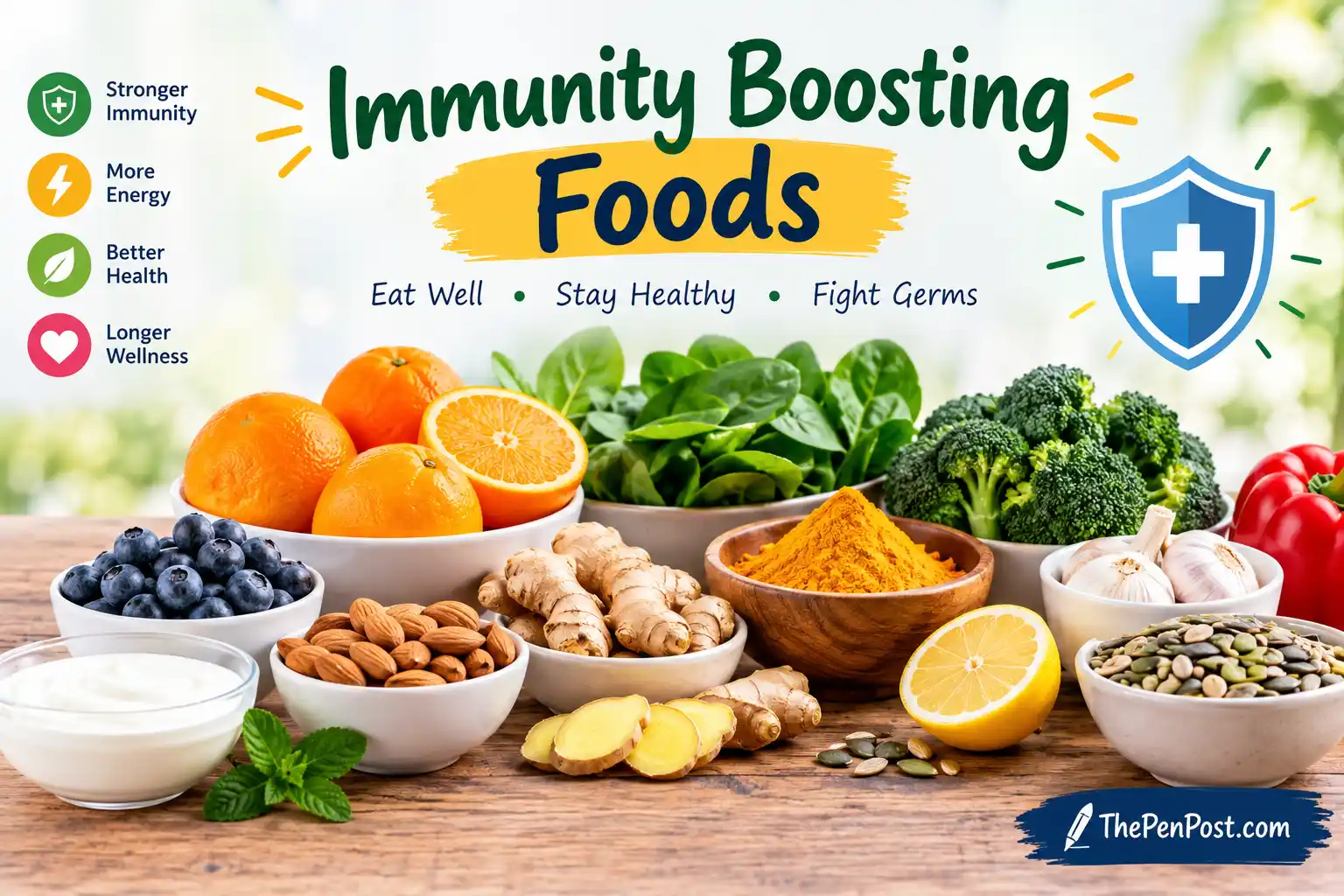
Immunity Boosting Foods: Best Foods to Support a Healthy Immune System
The immune system works every day to protect the body from bacteria, viruses, and other harmful substances. It is not controlled by one organ or one nutrient. Instead, it is a complex network that depends on many parts of the body working together.
Food plays an important supporting role in this process. A balanced diet can provide vitamins, minerals, protein, healthy fats, and other nutrients needed for normal immune function. Foods such as citrus fruits, berries, leafy vegetables, bell peppers, yogurt, eggs, nuts, seeds, beans, whole grains, and fatty fish can all have a place in an immune-supporting eating pattern.
It is worth remembering that no single food can “boost” immunity overnight or guarantee protection from illness. The more useful approach is to eat a variety of nutritious foods regularly and maintain other healthy habits such as getting enough sleep, staying physically active, managing stress, and following recommended vaccinations.
Quick Answer: Which Foods Are Good for Immunity?
Some of the best foods to include in a balanced diet for immune support are
- Citrus fruits such as oranges, lemons, and grapefruit
- Guava, kiwi, and other vitamin C-rich fruits
- Bell peppers
- Broccoli and other cruciferous vegetables
- Spinach and other leafy greens
- Berries
- Garlic and onions
- Yogurt and other fermented foods
- Eggs
- Fatty fish such as salmon, sardines, and tuna
- Beans, lentils, and chickpeas
- Nuts and seeds
- Whole grains
- Mushrooms
- Sweet potatoes and other colorful vegetables
The goal is not to eat one particular “superfood” every day. Variety matters because different foods provide different nutrients.
What Are Immunity Boosting Foods?
The term “immunity-boosting foods” is commonly used for foods that supply nutrients involved in maintaining normal immune function. These include foods rich in vitamin C, vitamin A, vitamin D, vitamin E, zinc, selenium, iron, protein, and other nutrients.
For example, vitamin C is involved in several immune-system functions and is found in fruits and vegetables, including citrus fruits, peppers, broccoli, tomatoes, and kiwi. Zinc is found in foods such as beans, nuts, whole grains, dairy products, poultry, and meat.
The National Institutes of Health notes that getting enough vitamins and minerals is important for normal immune function. However, if a person already gets enough of a nutrient, taking more through supplements does not necessarily provide additional protection against infections.
That is why a balanced diet is generally a better starting point than looking for one food or supplement that promises to “supercharge” immunity.
15 Best Immunity Supporting Foods
1. Citrus Fruits
Oranges, lemons, grapefruit, and other citrus fruits are well-known sources of vitamin C.
Vitamin C contributes to normal immune function and also helps the body absorb iron from plant-based foods. Including citrus fruits in meals or snacks is an easy way to add fruit and vitamin C to the diet.
Try adding orange slices to breakfast, using lemon in a salad dressing, or having a whole orange as an afternoon snack.
2. Guava
Guava is another fruit that can provide a substantial amount of vitamin C. It can be eaten on its own or added to fruit bowls and salads.
For students and busy adults, whole fruit is often a more practical choice than relying on packaged drinks marketed as “immune boosters.”
3. Bell Peppers
Bell peppers, particularly brightly colored varieties, provide vitamin C along with other plant compounds.
They can be eaten raw, added to sandwiches, mixed into vegetable dishes, or cooked with eggs and other protein-rich foods.
Adding different colored vegetables to meals is also a simple way to increase dietary variety.
4. Broccoli
Broccoli provides vitamin C, fiber, and several other nutrients. It belongs to the cruciferous vegetable family, which also includes cauliflower, cabbage, and Brussels sprouts.
A simple way to include broccoli is to lightly steam it and serve it alongside rice, roti, eggs, dal, or another protein source.
5. Leafy Green Vegetables
Spinach, kale, and other leafy greens can contribute vitamin A-related nutrients, vitamin C, folate, minerals, and fiber to the diet.
They are particularly useful because they can be incorporated into many everyday meals. Spinach can be added to dal, soups, omelets, curries, or smoothies.
A varied diet containing plenty of vegetables is consistently recommended as part of an overall healthy eating pattern.
6. Berries
Strawberries, blueberries, raspberries, and other berries contain vitamin C, fiber, and numerous plant compounds.
Fresh berries can be added to yogurt or oatmeal. Frozen berries can also be useful when fresh varieties are unavailable.
The important point is not that berries are a special cure for illness, but that fruits contribute useful nutrients as part of a varied diet.
7. Yogurt
Yogurt provides protein and calcium, and some varieties contain live cultures.
The relationship between the gut and immune system is an active area of research, but yogurt should primarily be viewed as a nutritious food that can contribute protein and other nutrients to the diet rather than as a guaranteed immunity booster.
Choose plain or lower-added-sugar varieties when possible and combine them with fruit, nuts, or seeds.
8. Eggs
Eggs are a convenient source of high-quality protein and provide several vitamins and minerals.
Protein matters because the body needs it for growth, repair, and many biological processes, including those involved in maintaining a healthy immune system.
Eggs can make an inexpensive and practical addition to breakfast, lunch, or dinner.
9. Fatty Fish
Salmon, sardines, trout, and similar fatty fish provide protein and omega-3 fatty acids. Some fish also provide vitamin D.
Vitamin D is important for normal immune function, although naturally occurring dietary sources are relatively limited compared with many other nutrients. The NIH notes that fatty fish such as salmon and tuna are among the foods that naturally provide vitamin D.
For people who eat fish, including it as part of a balanced diet can provide several valuable nutrients at once.
10. Nuts and Seeds
Almonds, walnuts, sunflower seeds, pumpkin seeds, and other nuts and seeds provide protein, healthy fats, and minerals.
Some varieties are useful sources of vitamin E, magnesium, zinc, and other nutrients. Harvard Health lists nuts and seeds among nutrient-dense foods that can contribute to a healthy eating pattern.
A small handful can be used as a snack or added to oatmeal, yogurt, or salads.
11. Beans, Lentils, and Chickpeas
Plant-based proteins such as beans, lentils, and chickpeas are valuable sources of protein, fiber, and minerals.
They are also affordable and easy to include in everyday meals. Dal, chana, rajma, hummus, and bean-based soups can all contribute to a nutrient-rich diet.
For students, these foods can be particularly useful because they are filling and can be combined with grains to create simple meals.
12. Whole Grains
Oats, brown rice, whole-wheat products, and other whole grains provide carbohydrates for energy as well as fiber, vitamins, and minerals.
Whole grains can be combined with vegetables and protein to create balanced meals rather than treating immune health as something separate from general nutrition.
13. Garlic
Garlic contains sulfur-containing compounds and is widely used in cooking.
Although garlic is often promoted online as a powerful immune booster, it is better to view it as one nutritious ingredient within an overall diet rather than a treatment or guaranteed protection against infections.
Adding garlic to vegetables, soups, dal, and other dishes can increase flavor without requiring complicated recipes.
14. Sweet Potatoes
Sweet potatoes contain beta-carotene, which the body can convert into vitamin A.
Vitamin A is one of several nutrients required for normal immune function. Foods containing carotenoids, including colorful vegetables, can therefore contribute to a varied diet.
Roasted or boiled sweet potatoes can be served as a side dish or incorporated into soups and other meals.
15. Mushrooms
Some mushrooms provide B vitamins and minerals, and certain mushrooms can provide vitamin D when exposed to ultraviolet light.
Their nutritional content varies by type and preparation, so mushrooms should be considered one useful food among many rather than a stand-alone immune remedy.
Important Nutrients for a Healthy Immune System
Understanding the nutrients behind these foods makes it easier to build a balanced diet.
Vitamin C
Vitamin C is involved in immune function and is abundant in many fruits and vegetables.
Good food sources include:
- Oranges
- Guava
- Kiwi
- Strawberries
- Bell peppers
- Broccoli
- Tomatoes
For most people, a varied diet can provide adequate vitamin C without needing high-dose supplements.
Vitamin A
Vitamin A is important for normal immune function and maintaining tissues that form part of the body’s protective barriers.
Food sources include colorful vegetables, leafy greens, eggs, and dairy products.
Beta-carotene from foods such as sweet potatoes, carrots, and leafy vegetables can be converted by the body into vitamin A.
Vitamin D
Vitamin D plays a role in immune function. Food sources include fatty fish and some fortified foods.
Whether a person needs a vitamin D supplement depends on individual circumstances, diet, sun exposure, health status, and medical advice. Taking large doses without a demonstrated need is not a substitute for a balanced diet.
Vitamin E
Vitamin E acts as an antioxidant and is found in foods such as almonds, sunflower seeds, and certain vegetable oils.
Nuts, seeds, and plant-based foods can therefore contribute to an overall nutrient-rich eating pattern.
Zinc
Zinc is involved in many processes related to the immune system.
Food sources include:
- Beans
- Nuts
- Seeds
- Whole grains
- Dairy products
- Eggs
- Poultry
- Meat
- Seafood
Zinc deficiency can impair immune function, but consuming excessive amounts is not a better strategy.
Protein
Protein is needed for growth, tissue maintenance, and many functions throughout the body.
Good sources include eggs, fish, poultry, dairy products, beans, lentils, soy foods, nuts, and seeds.
A meal that combines vegetables with an adequate protein source is generally more useful than focusing on a single vitamin-rich food.
Immunity Boosting Foods for Students
Students often skip meals, depend on packaged snacks, or eat at irregular times because of school, college, assignments, and examinations.
A healthy eating routine does not need to be complicated.
Simple breakfast
Try:
- Oats with banana, nuts, and yogurt
- Vegetable omelet with whole-grain toast
- Idli with sambar
- Vegetable poha with peanuts
- Dosa with sambar and a fruit
Easy lunch
A balanced lunch could include:
- Rice or roti
- Dal, beans, eggs, or another protein
- One or two vegetables
- Curd or yogurt
- A fruit
Smart snacks
Instead of relying only on chips, sweets, or sugary drinks, students can choose:
- Fruit
- Yogurt
- Nuts
- Roasted chickpeas
- Sprouts
- Boiled eggs
- Peanut-based snacks
The aim is consistency rather than perfection.
Immunity Boosting Foods for Children
Children need balanced nutrition for growth as well as normal immune function.
Meals should include a mixture of fruits, vegetables, whole grains, and protein sources. Harvard Health recommends a healthy diet containing fruits and vegetables, whole grains, and lean protein for supporting children’s overall health.
Parents do not need to turn every meal into a “superfood” recipe. Familiar foods prepared in different combinations can provide a wide range of nutrients.
For children with food allergies, restricted diets, or medical conditions, nutritional changes should be discussed with a pediatrician or registered dietitian.
Immunity Boosting Foods for Adults
Adults can support overall health by building meals around vegetables, fruits, whole grains, protein-rich foods, and healthy fats.
For example, a simple dinner could contain grilled fish or dal, a portion of whole grain, cooked vegetables, and a side salad.
Another option could be roti with mixed vegetables, paneer, or beans, followed by fruit.
The broader pattern matters more than any single ingredient. Harvard Health similarly emphasizes fruits, vegetables, legumes, whole grains, lean proteins, and healthy fats as components of a nutritious dietary pattern.
Indian Foods That Can Support a Healthy Diet
People do not need to follow an expensive Western-style diet to eat well.
Many familiar Indian foods can provide the nutrients needed for a balanced eating pattern.
Examples include:
- Dal
- Rajma
- Chole
- Moong sprouts
- Spinach
- Methi
- Carrots
- Tomatoes
- Guava
- Oranges
- Papaya
- Curd
- Eggs
- Fish
- Nuts and seeds
- Whole grains such as oats and millets
A traditional meal can be nutritionally strong when it includes a sensible combination of vegetables, protein, whole grains, and fruit.
Foods to Limit for Better Overall Health
It is easy to focus on what to add to the diet and forget about the foods that should be limited.
Highly processed foods, sugary drinks, excessive added sugar, and large amounts of processed meat should not make up most of the diet.
This does not mean that someone must completely avoid every favorite snack. An occasional treat can fit into a balanced eating pattern.
The bigger goal is to make nutritious foods the regular choice.
Can One Food Boost Immunity?
No single food has been shown to dramatically improve immune function on its own.
This is an important distinction because “immune boosting” is often used as a marketing phrase.
The immune system is complex, and adequate nutrition involves many different vitamins, minerals, and other nutrients. Harvard Health notes that the overall quality of the diet matters more than individual foods marketed as immune boosters.
Therefore, eating an orange does not make someone immune to a cold, and drinking a particular juice does not replace sleep, vaccination, hygiene, or medical care.
Do Vitamin Supplements Improve Immunity?
Supplements can be useful when someone has a nutrient deficiency or when a healthcare professional recommends them.
However, taking more vitamins than the body needs is not automatically better.
The NIH states that, in people without a deficiency, increasing vitamin and mineral intake through supplements generally does not prevent infections or make people recover faster.
Food should usually be the first source of nutrients, unless a doctor or dietitian recommends supplementation for a specific reason.
Simple One-Day Immunity-Supporting Meal Plan
Here is an example of how these foods can fit into an ordinary day:
Breakfast: Vegetable omelet with whole-grain toast and an orange.
Mid-morning: Guava or another seasonal fruit.
Lunch: Rice or roti with dal, spinach or another vegetable, and curd.
Evening snack: A small portion of nuts or roasted chickpeas.
Dinner: Fish, eggs, paneer, or beans with vegetables and a whole grain.
Drink: Water throughout the day.
This is only an example, not a prescribed diet. Individual nutritional requirements vary according to age, activity level, health conditions, dietary preferences, and other factors.
Other Habits That Matter for Immune Health
Food is only one part of maintaining overall health.
Other important habits include:
- Getting adequate sleep
- Exercising regularly
- Maintaining a healthy weight
- Avoiding smoking
- Limiting alcohol
- Managing stress
- Washing hands regularly
- Following recommended vaccinations
- Seeking medical care when necessary
Harvard Health recommends a combination of healthy eating, physical activity, adequate sleep, avoiding smoking, and other general health measures rather than relying on a single immune-boosting strategy.
Frequently Asked Questions About Immunity Boosting Foods
What are the best immunity-boosting foods?
There is no single best food for immunity. A varied diet containing fruits, vegetables, whole grains, legumes, nuts, seeds, protein-rich foods, and healthy fats provides many nutrients needed for normal immune function.
Which fruit is best for immunity?
Citrus fruits, guava, kiwi, berries, and several other fruits provide vitamin C and other useful nutrients. Rather than choosing only one fruit, eating different fruits throughout the week provides greater variety.
Is vitamin C good for the immune system?
Yes. Vitamin C plays an important role in normal immune function. Citrus fruits, guava, kiwi, peppers, tomatoes, and broccoli are useful food sources. However, consuming very large amounts does not necessarily provide additional immune protection when dietary needs are already met.
Does garlic boost immunity?
Garlic can be part of a healthy diet and contains biologically active compounds, but it should not be treated as a guaranteed immune booster or replacement for medical treatment.
Are eggs good for immunity?
Eggs provide protein and several vitamins and minerals, making them a useful part of a balanced diet. Protein is important for many functions throughout the body, including maintaining a healthy immune system.
Which foods are rich in zinc?
Zinc is found in foods such as beans, nuts, seeds, whole grains, dairy products, poultry, meat, and seafood.
What should students eat to stay healthy?
Students should focus on regular meals containing vegetables, fruits, whole grains, and protein sources such as dal, beans, eggs, dairy, fish, poultry, nuts, or seeds. Staying hydrated and getting enough sleep are also important.
Can immunity-boosting foods prevent infections?
No food can guarantee that a person will avoid an infection. A healthy diet supports normal body and immune function, but it does not replace vaccination, hygiene, sleep, medical care, or other preventive measures.
Is it better to take supplements or eat healthy foods?
For most people, food is a good starting point for meeting nutritional needs. Supplements may be appropriate when a deficiency exists or when a healthcare professional recommends them.
How many fruits and vegetables should I eat?
A commonly used target is around five servings of fruits and vegetables per day, although individual needs can vary. Research summarized by Harvard Health has found health benefits associated with eating several servings daily.
Final Takeaway
The strongest approach to supporting the immune system is not a single superfood, juice, or supplement. It is a regular eating pattern that supplies the body with enough protein, vitamins, minerals, fiber, and other nutrients.
Add more vegetables and fruits to everyday meals, choose different protein sources, include whole grains, and use nuts, seeds, and other nutrient-rich foods where they fit. Just as importantly, combine good nutrition with adequate sleep, physical activity, hygiene, and other healthy habits.
For students and anyone learning about nutrition, the key lesson is simple: immune health depends on the overall diet and lifestyle, not on one miracle food.
Blood Sugar Level Chart
A blood sugar level chart helps you understand how much glucose is present in your blood at different times of the day. Blood sugar is usually checked before eating, after meals, or at bedtime, depending on the reason for testing. The expected range can vary based on age, health condition, medications, and whether a person has diabetes. Looking at a chart can make it easier to notice unusually high or low readings and discuss them with a doctor. Students can use it to understand basic blood glucose monitoring and why maintaining balanced blood sugar is important for overall health and daily well-being.